

BUYING-GUIDE · 11 MIN READ
How to Buy a Moissanite Engagement Ring in Australia: The 2026 Complete Guide
The complete 2026 buying guide for Australian couples — what moissanite is, the 4Cs, settings and metals, sizing, real AUD price bands, and how the buying process works from consultation to delivery. Written by Jarod Guthrie.
Most couples spend more on an engagement ring than they need to, and they don't really know what they're paying for. Diamond markups, vague grading reports, pressure to hit a one-month-salary number that was invented by an ad agency in 1947, none of it serves you.
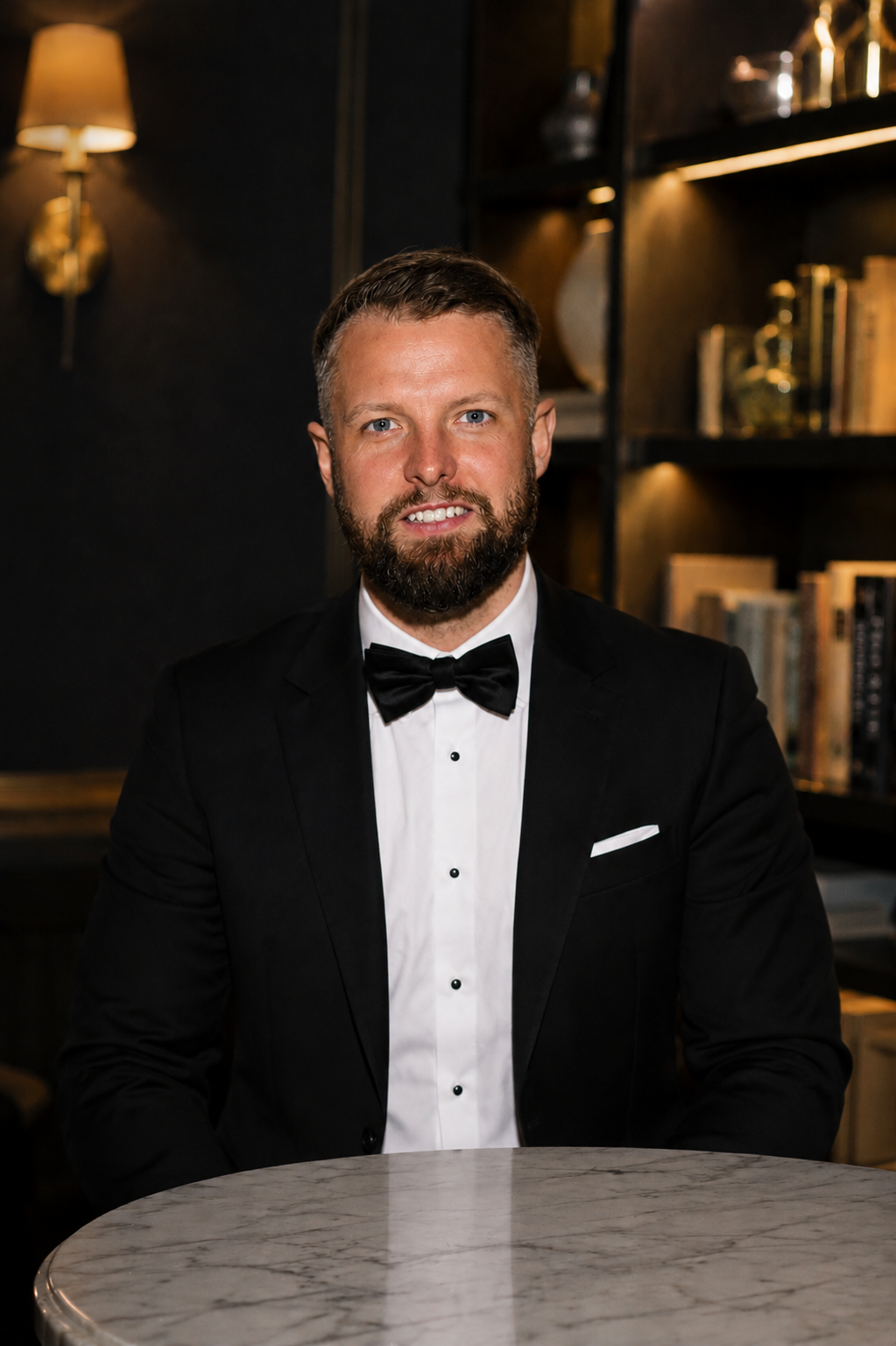
I'm Jarod. I run Guthrie Jewellery out of Melbourne and I've spent the last decade making moissanite engagement rings for Australian couples. This guide is the conversation I have with every client before we start a design. It covers what moissanite actually is, how to think about the 4Cs, which settings suit which lifestyles, what the real prices look like in 2026, and how the buying process works from first chat to ring on finger.
- What is moissanite?
- Moissanite vs diamond vs lab-grown diamond
- How to choose your moissanite, the 4Cs in Australia
- Setting and style choices
- Metal options for Australian climate
- Sizing and resizing in Australia
- Custom vs ready-to-ship
- Pricing in Australia, 2026
- The buying process, start to finish
- Frequently asked questions
- Next step
Read it end-to-end if you're starting from scratch. Skip to the section you need if you've already done your research. Either way, by the end you'll know enough to make a confident decision without being talked into anything.
What is moissanite?
Moissanite is silicon carbide (SiC). Henri Moissan discovered it in 1893 inside a meteorite crater in Arizona. Natural moissanite is so rare that every stone you see today is lab-grown, typically by Cree (now Wolfspeed) in North Carolina or a handful of specialist labs overseas.
It's grown by depositing carbon and silicon vapours onto a seed crystal under high heat and pressure. Takes about two to three months to produce a gem-quality crystal, which is then cut and polished the same way diamond is.
Two specs matter for engagement rings:
- Hardness, 9.25 on the Mohs scale. Diamond is 10. Sapphire is 9. Moissanite sits between them, which makes it the second-hardest gemstone used in jewellery. It will not scratch under normal wear.
- Refractive index, 2.65. Diamond is 2.42. Moissanite bends light more, which is why it throws more rainbow fire than diamond. In bright light a moissanite sparkles harder. Some people love that. Some prefer the subtler white flash of diamond. Neither is wrong.
If you want a deeper read on the chemistry and history, I wrote a longer piece in our moissanite vs diamond guide.
Moissanite vs diamond vs lab-grown diamond
This is the comparison most couples want first. Here's the honest version:
| Factor | Moissanite | Mined diamond | Lab-grown diamond |
|---|---|---|---|
| Price per carat (AUD, 1ct round, top colour) | ~$300–$600 | ~$6,000–$12,000 | ~$1,200–$2,500 |
| Hardness (Mohs) | 9.25 | 10 | 10 |
| Brilliance / fire | More fire (rainbow) | White flash, balanced | Identical to mined |
| Ethical sourcing | Lab-grown, traceable | Varies, conflict-free certification available | Lab-grown, traceable |
| Certification | GRC reports standard | GIA, IGI | IGI, GIA |
| Resale value | Low (~10–20%) | Low to moderate (30–50%) | Very low (10–20%) |
Moissanite is not a diamond. For most couples the differences don't matter. The two situations where they do: you want a stone that holds resale value (none of the three do well here, but diamond is least bad), or you're a gemmologist who'll be staring at it under 10x loupe magnification.
For the full breakdown including specific gravity, thermal conductivity, and how diamond testers respond to each, read Moissanite vs Diamond: The 2026 Australian Buyer's Guide. For lab-grown diamond specifically, see Moissanite vs Lab-Grown Diamond: 2026 Australian Comparison.
How to choose your moissanite, the 4Cs in Australia
Cut, colour, clarity, carat. Same framework as diamond, different priorities. Here's how I rank them for moissanite specifically.
Cut, most important
Cut affects sparkle more than anything else. A poorly cut 2-carat stone looks dead. A well-cut 1-carat stone outshines it every time. With moissanite the precision of the cut determines how the higher refractive index translates into actual fire on your finger.
Two cut styles dominate:
- Brilliant cut, traditional facet pattern, maximum sparkle, what most people picture when they think "engagement ring."
- Crushed ice, fractured, glass-like facets, soft scattered shimmer instead of distinct flashes. More modern look. Suits oval, radiant, and elongated cushion shapes especially well.
I wrote a side-by-side at Brilliant vs Crushed Ice Moissanite if you want to see how they look in motion.
Colour
Moissanite is graded D–K on the same scale as diamond. We only stock D–E (colourless). Anything lower starts showing a warm or greenish tint, especially in larger sizes.
Colourless grading matters most for ovals and elongated cuts above 2 carats. Colour pools at the points of a stretched shape, so any tint on a lower-graded stone is more noticeable there.
Clarity
Lab-grown moissanite is almost always VVS clarity or better. Inclusions are rare. You don't need to overthink this one, the GRC certificate that ships with every stone confirms it.
Carat, and why millimetres matter more
Carat is weight, not size. Moissanite is about 10% less dense than diamond, so a 1-carat moissanite measures a touch larger than a 1-carat diamond. We sell stones by millimetre dimension as well as carat for that reason.
Common sizes for Australian buyers:
- 1 carat round, 6.5mm. Classic size. Suits size 4–7 fingers.
- 1.5 carat round, 7.5mm. Noticeable bump in presence without being showy.
- 2 carat round, 8mm. Confident, modern, the most-requested size in 2025–26.
- 3 carat round, 9mm+. Statement stone. Suits longer or wider fingers.
- 2 carat oval, 9x7mm. Looks larger than a 2ct round because of the elongated shape.
If you're unsure, order the free ring sizer and try a printed circle template on your finger to see the spread. Or read the full breakdown at The 4Cs: Carat Weight, Cut, Clarity, and Colour.
Setting and style choices
The setting is the metalwork that holds the stone. Setting choice changes the look more than people expect, and some settings suit certain lifestyles better than others.
- Solitaire, one stone, four or six prongs, clean band. Timeless. Easiest to clean. Works for anyone who wants the stone to do the talking.
- Halo, a ring of smaller stones around the centre, makes the centre look 25–35% larger. Suits 1ct–1.5ct centres if you want presence without paying for the carat weight.
- Hidden halo, same idea but the accent stones sit underneath, visible only from the side profile. Subtle. Engineered for the side-on photograph.
- Three-stone, past, present, future. Centre stone flanked by two smaller stones. Suits clients who want symbolism built into the design. See examples in the main collection.
- Bezel, metal wraps the full perimeter of the stone. Most secure setting we make. Recommended for trades, nurses, surgeons, climbers, anyone whose hands take a beating.
- East-west, oval or marquise set horizontally instead of vertically. Modern, minimalist, a bit of a statement.
- Toi et moi, "you and me." Two stones, often different shapes, on a single shank. Romantic, distinctive, harder to wedding-band match (we plan for that during design).
Browse by stone shape if you already know what you want: round, oval, cushion, pear, emerald, radiant, elongated cushion.
Metal options for Australian climate
Australia's humidity and salt air don't damage precious metals, but pool chlorine, sunscreen and sweat chemistry do affect how different metals wear. Here's the practical version.
- 9k gold. 37.5% gold, 62.5% alloy. Our base metal and the hardest wearing of the golds. The higher alloy content makes it tougher and more scratch resistant than 18k, at the most accessible price, and modern 9k alloys hold their colour and polish well. A practical choice for everyday engagement rings and active hands.
- 14k gold. 58.3% gold. The middle ground: richer colour than 9k while keeping most of its durability. Adds $350 to the base price.
- 18k gold. 75% gold. Richest colour, softer, scratches more easily. The traditional Australian and European choice. Worth it if you want the deeper yellow or rose tone. Adds $700 to the base price.
- White gold, yellow gold mixed with white alloys and rhodium-plated to look pure white. Plating wears off every 1–3 years depending on your hand chemistry. Free re-plating included in our warranty.
- Rose gold, gold mixed with copper. Doesn't need plating. Some skin pH causes very slight pinking under the band, harmless, not common, worth knowing.
- Platinum, 95% pure platinum. Densest, most expensive, develops a soft patina rather than scratching. Hypoallergenic. Priced close to 14k gold for the same ring.
For a deeper comparison between two popular options, read 14K vs 18K Gold Engagement Rings.
Sizing and resizing in Australia
Australian ring sizes use letters (A–Z). US sizes use numbers. UK sizes match Australian. Most of our clients land between J and Q.
If you're buying a surprise ring, the safest method is to bring one of your partner's existing rings to our Melbourne studio and we'll size it precisely. Otherwise, order our free printable ring sizer or read the ring size guide.
Every ring comes with a free resize within 3 months, including return shipping both ways. Two caveats: rings with diamond-set bands (eternity, full pavé) can only be sized up or down by half a size before re-setting becomes necessary, and bezels with set-in side stones have similar limits. We'll flag these during the design conversation.
Custom vs ready-to-ship
Every ring on the site is made to order. Standard production means your ring is ready within 6 weeks of deposit, sometimes faster for solitaires, with halos and toi-et-moi designs using more of that window for intricate setting work.
The custom design process works like this: chat, sketch, CAD render for your approval, deposit, wax model, casting, stone-setting, polish, dispatch. You see and sign off on every stage.
If your proposal is in under three weeks, message us first, we hold a small inventory of finished solitaires for situations like this, and we can sometimes pull a CAD-ready design forward in the queue. Melbourne clients are welcome to book an in-person consultation at the studio if you'd rather see stones and metals in person.
Pricing in Australia, 2026
Three price bands cover 95% of what we sell. All in AUD, ring complete with stone and metal, GST included.
- $1,000–$2,000, entry. 1ct moissanite solitaire in 14k white or yellow gold. Simple band, four-prong setting. The ring most couples actually want before they overthink it.
- $2,000–$5,000, mid. 1.5–2ct centre, halo or hidden halo, 18k gold or platinum, sometimes a thin pavé band. This is the median price our clients spend.
- $5,000+, bespoke. 3ct+ centres, toi-et-moi designs, full-pavé eternity bands, platinum or two-tone construction, hand-engraving. Custom from the ground up.
The four levers that move price: carat weight of the stone (biggest), metal choice (18k and platinum cost more), setting complexity (more prongs, more accent stones, more labour), and band style (plain shank vs full diamond-set eternity).
For a 1-carat round in 14k white gold you're looking at roughly $1,400 with us. The equivalent natural diamond would be $8,000–$12,000. Same visual stone, roughly one-tenth the price. Full breakdown at Moissanite Engagement Ring Cost Australia: 2026 Guide.
If you want to see diamond options for comparison, browse our diamond engagement rings collection, we make rings with both stones.
The buying process, start to finish
Five steps:
- Book a 25-minute consultation by appointment. We talk through style, budget, stone, timeline. No sales pitch.
- Choose your ring. From the catalogue, a modified version of something existing, or fully custom. CAD render produced for any custom work.
- Pay a 50% deposit. Production begins. Balance due before dispatch.
- Up to 6 weeks of craft time. We send progress photos at the wax and casting stages.
- Insured dispatch anywhere in Australia. Tracked, signature on delivery, free.
Every ring includes our lifetime warranty, covers stone replacement, free re-polishing, free rhodium re-plating for white gold, and a free resize within 3 months, including return shipping both ways. If anything goes wrong with the stone, ever, we replace it.
Book a consultation here when you're ready.
Frequently asked questions
Is moissanite worth it compared to a diamond?
For most couples, yes. You get the same visual impact on your finger for roughly 10% of the cost, plus a lab-grown traceable stone. The two cases where diamond wins: you want resale value (neither does well, but diamond holds more), or you're certain you want a natural stone for sentimental reasons.
How long do moissanite rings last?
Indefinitely. The stone has a hardness of 9.25, second only to diamond among gems used in jewellery. It will not scratch, chip or cloud under normal wear. The metal setting around it may need re-polishing every few years, which we cover under the lifetime warranty.
Can a jeweller tell the difference between moissanite and diamond?
A qualified gemmologist using a loupe, refractometer or moissanite-specific tester, yes. Standard diamond testers detect thermal conductivity and will misidentify moissanite as diamond. Nobody else will tell the difference at arm's length.
What's the right budget for an engagement ring in Australia?
Spend what you can comfortably afford. The one-month or three-month salary rule was invented as marketing, not financial advice. Our median client spends $2,000–$5,000 on the complete ring. That gets you a substantial centre stone, quality metal, and a setting built to last.
Do you ship Australia-wide?
Yes. Free insured tracked dispatch to every state and territory. Most orders arrive within two business days of completion. International dispatch is available on request.
Next step
If you've read this far you know more about moissanite than 95% of people walking into a jewellery store. Book a consultation by appointment when you're ready, or browse the full moissanite engagement ring collection.
- Jarod